RxPriceWatch Home

Category

Drug Pricing & Affordability

11 articles

Behind the Curtain: How Pharmacy Benefit Managers Hide the Real Price of Your Prescription

Behind the Curtain: How Pharmacy Benefit Managers Hide the Real Price of Your Prescription

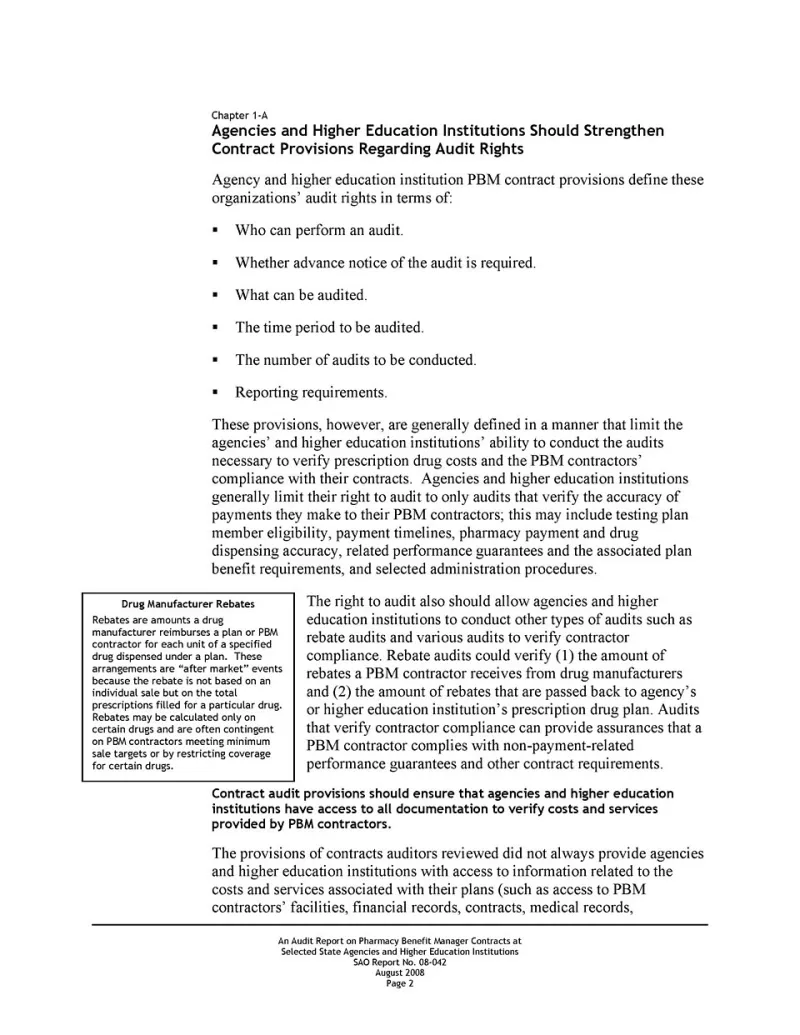
Pharmacy Benefit Managers sit between your insurer and your pharmacist, negotiating drug prices in near-total secrecy. The rebates they collect, the tiers they assign, and the formulary decisions they make directly shape what you pay — yet almost none of that information is accessible to patients. This article breaks down how the PBM blackbox operates and what you can do to find your actual out-of-pocket cost before it surprises you at the counter.

Skipping Your Insurance Card at the Pharmacy Counter: The Cash Price Strategy That Could Cut Your Drug Costs in Half

Skipping Your Insurance Card at the Pharmacy Counter: The Cash Price Strategy That Could Cut Your Drug Costs in Half

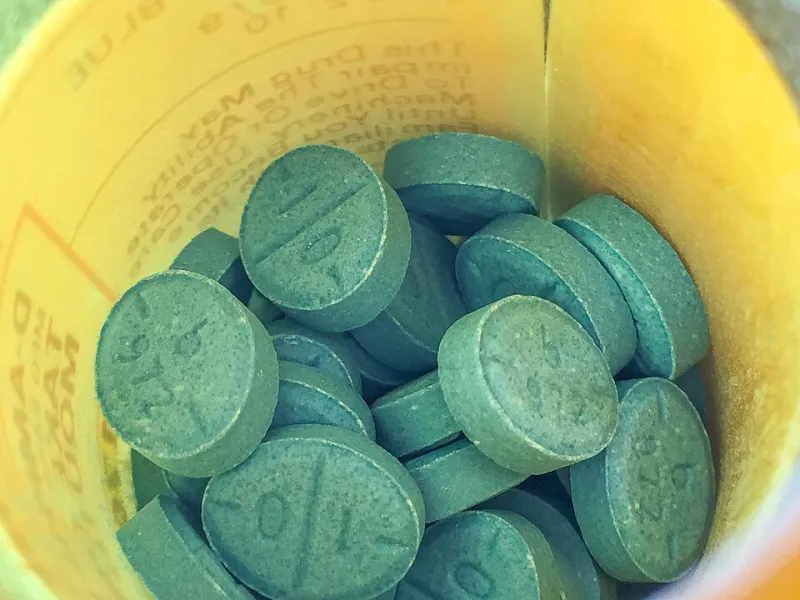
Millions of Americans assume their insurance card always delivers the lowest possible price at the pharmacy — but that assumption is frequently wrong. A growing number of patients are discovering that paying cash, often through discount platforms, undercuts their own copay by a significant margin. This guide explains why the inversion exists, which drug categories are most affected, and how to safely execute the strategy.

When Generics Arrive but Your Bill Goes Up: The Counterintuitive Price Trap Hiding in Plain Sight

When Generics Arrive but Your Bill Goes Up: The Counterintuitive Price Trap Hiding in Plain Sight

Most Americans assume that the arrival of a generic drug automatically means lower costs at the pharmacy counter. In reality, for millions of uninsured and underinsured patients, the expiration of brand-name exclusivity can trigger a surprising and painful price increase. This analysis examines why that happens—and what you can do to protect yourself before the next patent cliff catches you off guard.

When the Shelf Goes Empty: How FDA Drug Shortages Quietly Drive Up What You Pay at the Pharmacy Counter

When the Shelf Goes Empty: How FDA Drug Shortages Quietly Drive Up What You Pay at the Pharmacy Counter

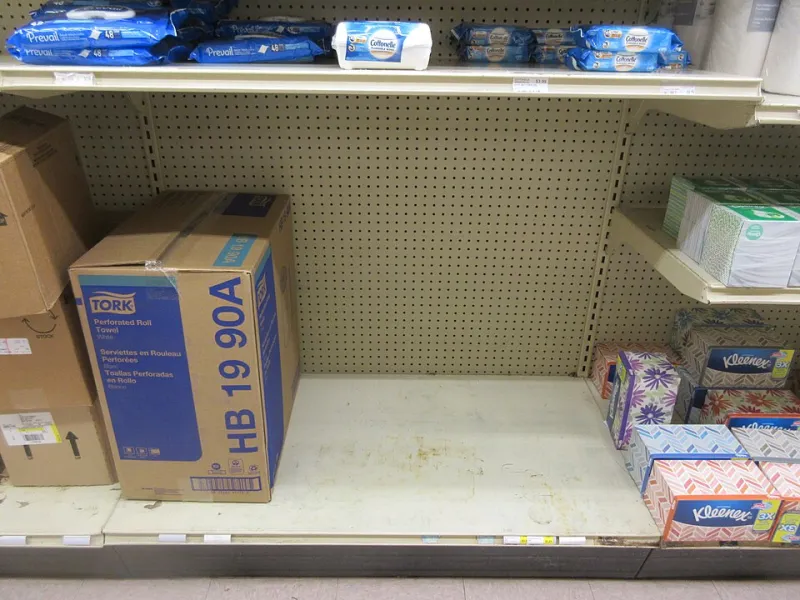
Drug shortages are rarely front-page news until patients arrive at the pharmacy and discover their medication is unavailable — or suddenly costs far more than expected. This investigation examines how supply chain disruptions translate directly into higher out-of-pocket costs, and what steps informed patients can take to protect themselves before a shortage hits their prescription.

Calendar-Driven Cost Shocks: The Hidden Dates That Send Your Prescription Prices Soaring

Prescription drug prices do not rise randomly — they follow predictable calendar patterns tied to patent expirations, formulary resets, and manufacturer pricing cycles. Understanding which dates and quarters historically trigger the sharpest cost increases can help patients take proactive steps to lock in lower prices before they vanish. This investigation breaks down the forces behind sudden medication cost spikes and offers concrete timing strategies for US consumers.

Retail Pharmacy Showdown: What 50 Commonly Prescribed Drugs Actually Cost at CVS, Walgreens, and Walmart

Retail Pharmacy Showdown: What 50 Commonly Prescribed Drugs Actually Cost at CVS, Walgreens, and Walmart

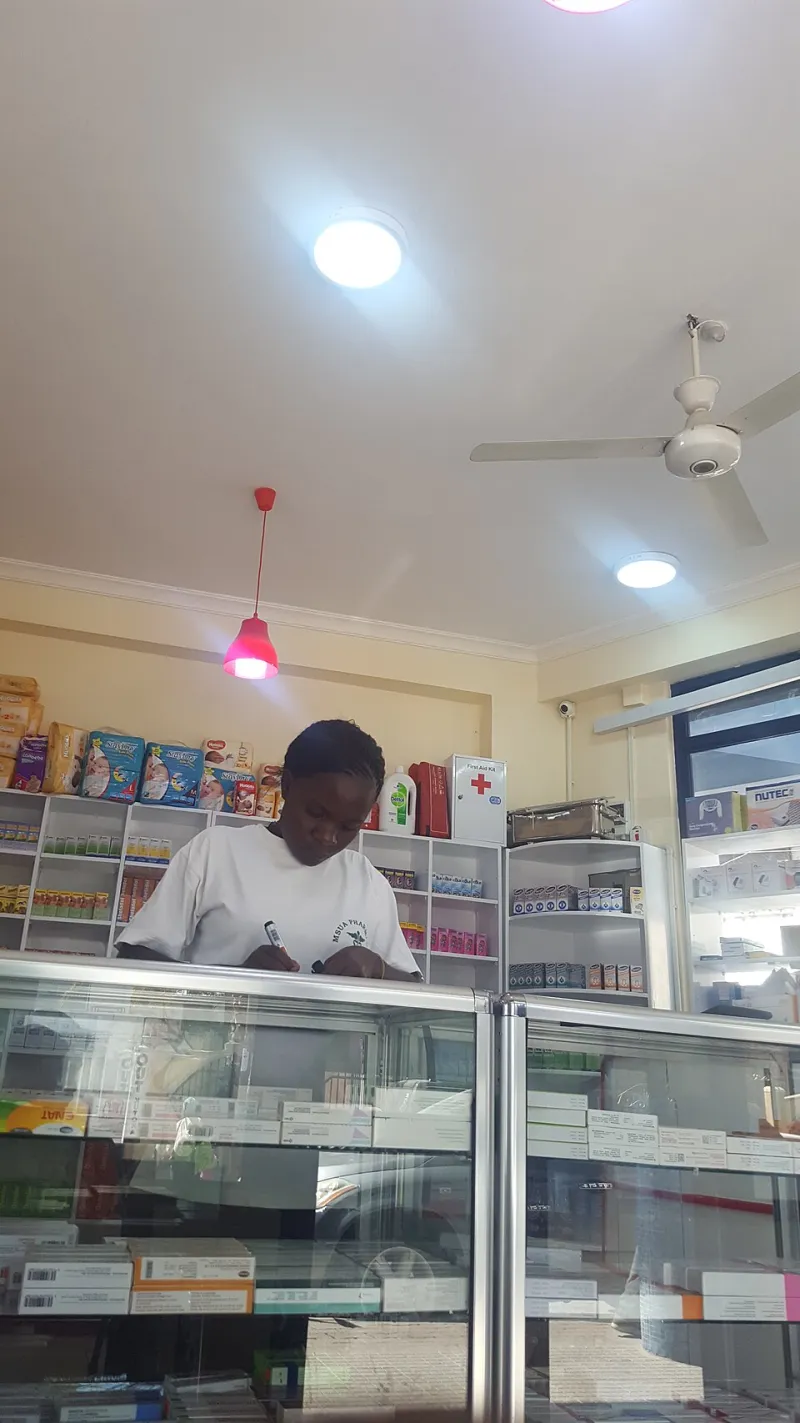
Across America's three largest retail pharmacy chains, the price for an identical prescription can vary by hundreds of dollars — sometimes at locations just miles apart. RxPriceWatch analyzed cash prices for 50 of the most frequently dispensed medications to reveal which chain consistently charges less, where the hidden markups live, and how consumers can use this data to their advantage.

Filling 90 Days at Once: When Bulk Prescriptions Save Money and When They Cost You More

Filling 90 Days at Once: When Bulk Prescriptions Save Money and When They Cost You More

Requesting a 90-day prescription supply instead of a standard 30-day refill is widely promoted as a cost-saving strategy, but the financial reality is considerably more nuanced. From insurance coverage shifts to medication waste, bulk fills carry hidden variables that can erode anticipated savings. RxPriceWatch examines the scenarios where the math works in your favor — and the situations where it quietly works against you.

Refill Timing Matters More Than You Think: Uncovering the Weekly Pricing Rhythms at Your Local Pharmacy

Refill Timing Matters More Than You Think: Uncovering the Weekly Pricing Rhythms at Your Local Pharmacy

Most patients assume their prescription price is fixed from month to month, but pharmacy pricing data tells a different story. Drug costs at retail pharmacies often shift on predictable weekly schedules tied to wholesaler updates, formulary resets, and competitive benchmarking. Understanding these cycles could put meaningful savings in your pocket without changing your medication routine.

When Prescription Prices Fall: The Forces Behind Sudden Drug Cost Reductions and How to Stay Ahead of Them

When Prescription Prices Fall: The Forces Behind Sudden Drug Cost Reductions and How to Stay Ahead of Them

Prescription drug prices can shift dramatically—sometimes overnight—due to patent expirations, new market entrants, and manufacturer promotions. Understanding the mechanics behind these price movements can help patients save hundreds of dollars annually. This guide explains what drives sudden cost reductions and which free tools can help you monitor your specific medications.